
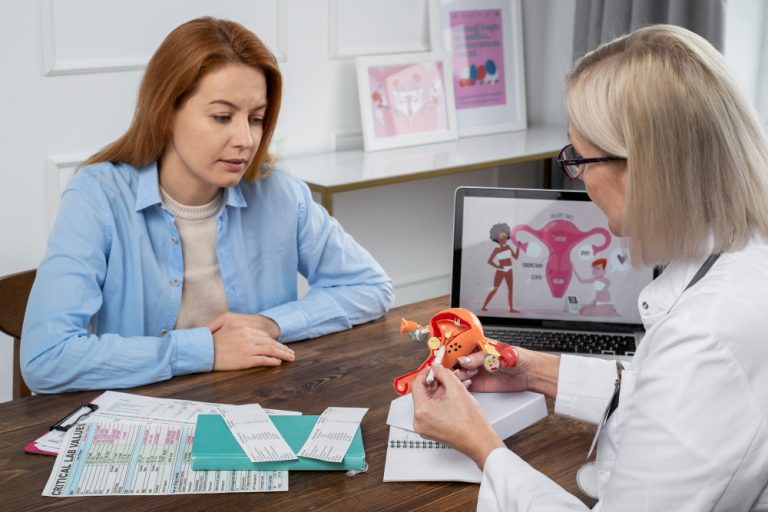
PCOD Symptoms: When Should You Consult a Doctor?
Irregular periods, sudden weight gain, or acne that will not go away are things many women brush off as ordinary stress. Often they are just that. But sometimes these small signs are your body’s way of pointing to something more, like PCOD, one of the most common hormonal conditions affecting women today.
The tricky part about PCOD is that its symptoms overlap with everyday life so easily that women often live with them for years before seeking help. At Saukhyam Hospital, we meet many patients who say the same thing: I thought this was just how my body works. Understanding what is normal and what needs attention through proper PCOD Treatment in Borivali can save you years of unnecessary discomfort.
What Is PCOD and Who Gets It?
PCOD, or Polycystic Ovarian Disease, is a hormonal condition where the ovaries produce immature or partially mature eggs, which can turn into cysts over time. It affects women of reproductive age and is often linked to irregular ovulation, weight changes, and insulin resistance. While it cannot always be prevented, it can be managed effectively with the right lifestyle changes and medical guidance from a qualified Gynaecologist in Borivali.
Key Takeaway:
- PCOD symptoms vary widely and often appear gradually.
- Irregular periods are usually the earliest and most common sign.
- Untreated PCOD can affect fertility and long term metabolic health.
- Diagnosis typically involves a physical exam, blood tests, and an ultrasound.
- Early PCOD Treatment in Borivali helps manage symptoms before complications develop.
What Exactly Is PCOD?
PCOD occurs when a hormonal imbalance disrupts the normal release of eggs from the ovaries. Instead of maturing and releasing as usual, the eggs remain underdeveloped and accumulate as small cysts. This disruption affects the menstrual cycle and can influence everything from skin health to weight and fertility.
It is one of the most common conditions among women of childbearing age, yet it often goes unnoticed until symptoms become harder to ignore.
Common Symptoms of PCOD
Every woman experiences PCOD differently, but certain patterns tend to repeat. Recognising them early makes management far easier.
You may notice one or more of the following.
- Irregular, delayed, or missed periods
- Heavy or unusually light menstrual bleeding
- Sudden or unexplained weight gain, particularly around the abdomen
- Persistent acne along the jawline, chin, or back
- Excess facial or body hair growth
- Thinning hair or noticeable hair fall
- Darkening of skin around the neck or underarms
- Difficulty conceiving despite regular attempts
- Fatigue or low energy that does not improve with rest
- Mood swings or increased anxiety around your cycle
Having one symptom does not automatically mean you have PCOD. However, when several of these appear together over a few months, it is worth having a conversation with your doctor.
Why Do These Symptoms Happen?
Most PCOD symptoms trace back to a hormonal imbalance involving elevated androgen levels and insulin resistance. Higher androgen levels can trigger acne, excess hair growth, and hair thinning, while insulin resistance often contributes to weight gain and irregular cycles. Understanding this connection is part of why treatment usually addresses more than just the visible symptoms.
When Should You See a Doctor?
Many women wait far too long before seeking help, often because the symptoms build up slowly rather than appearing all at once. Certain signs, however, should prompt a visit sooner rather than later.
Consider booking a consultation if you notice the following.
- Your periods have been irregular for three months or longer.
- You are trying to conceive without success after several months.
- Acne or excess hair growth is affecting your confidence.
- You have gained weight rapidly without a clear cause.
- You experience pelvic pain or discomfort alongside cycle changes.
- Symptoms are affecting your daily routine, mood, or self-esteem.
Early evaluation through a trusted Gynaecologist in Borivali means you can start managing PCOD before it begins to affect fertility or long term metabolic health.
How Is PCOD Diagnosed?
There is no single test that confirms PCOD on its own. Instead, your doctor will usually combine a few methods to build a complete picture.
- A detailed discussion of your menstrual history and symptoms
- A physical examination to check for visible signs like acne or hair growth
- Blood tests to assess hormone levels and insulin resistance
- A pelvic ultrasound to examine the ovaries for cysts
This combined approach helps rule out other conditions that share similar symptoms, ensuring your treatment plan is accurate from the start.
Can PCOD Be Managed Without Medication?
For many women, the first line of treatment focuses on lifestyle changes rather than medication.
- Regular physical activity to improve insulin sensitivity
- A balanced diet with reduced refined sugar and processed food
- Maintaining a healthy weight through gradual, sustainable changes
- Stress management, since cortisol can worsen hormonal imbalance
- Consistent sleep patterns to support hormonal regulation
When lifestyle changes are not enough on their own, your doctor may recommend medication to regulate your cycle, manage insulin resistance, or support fertility goals, depending on what matters most to you.
How Saukhyam Hospital Approaches PCOD Care
At Saukhyam Hospital, we believe PCOD treatment should never feel like a one size fits all checklist. Every woman’s hormonal pattern, lifestyle, and goals are different, so our evaluation starts with understanding your specific symptoms and history before recommending a plan.
Our team combines detailed hormonal testing, ultrasound evaluation, and ongoing follow up to track your progress over time. Whether your priority is regulating your cycle, managing acne and weight, or planning a future pregnancy, our approach to PCOD Treatment in Borivali is built around your individual needs rather than a generic protocol.
We also understand how emotionally draining unexplained symptoms can feel. Our goal is to give you clarity, a clear path forward, and consistent support at every stage of your treatment.
You Are Not Overreacting
It is common for women to downplay their symptoms, assuming irregular periods or stubborn acne are simply bad luck. The truth is that these signs deserve attention, not dismissal. Seeking help early is not about overreacting; it is about giving your body the support it needs before symptoms become harder to manage.
Frequently Asked Questions
They are related but not identical. PCOD is generally considered a milder hormonal and metabolic imbalance, while PCOS is a more complex endocrine disorder. Your doctor can clarify which applies to your specific case.
It can make conception more difficult due to irregular ovulation, but many women with PCOD conceive successfully with the right treatment and monitoring.
There is no permanent cure, but it can be managed effectively through lifestyle changes, medication, and regular follow up, allowing most women to lead a comfortable, healthy life.
Yes. Even a modest reduction in weight can improve insulin sensitivity and help regulate menstrual cycles for many women with PCOD.
There is no fixed age. If you notice irregular periods, unusual weight changes, or skin and hair symptoms at any point after your first period, it is worth discussing with a gynaecologist.
Conclusion
PCOD symptoms rarely appear all at once, which is exactly why they are so easy to overlook. Irregular cycles, persistent acne, unexplained weight gain, or fertility struggles are not things you need to simply live with. Recognising these signs early and seeking timely PCOD Treatment in Borivali can make a meaningful difference in how you feel day to day and in your long term health.
Take the First Step Toward Balance
If your symptoms sound familiar, you do not have to figure this out alone. The team at Saukhyam Hospital is here to listen, evaluate your symptoms thoroughly, and guide you toward a treatment plan that fits your life. Book a consultation today and take the first step toward feeling like yourself again.
Name:
Saukhyam Hospital
Address:
Entry from main, Mamta Maternity and Nursing Home 1st floor, Sai Sheetal Apartment, Swami Vivekanand Rd, above Aastha Life Care Hospital, Borivali East, Mumbai, Maharashtra 400066
Phone:
+91 86574 33631
Website:
www.saukhyamhospital.com