
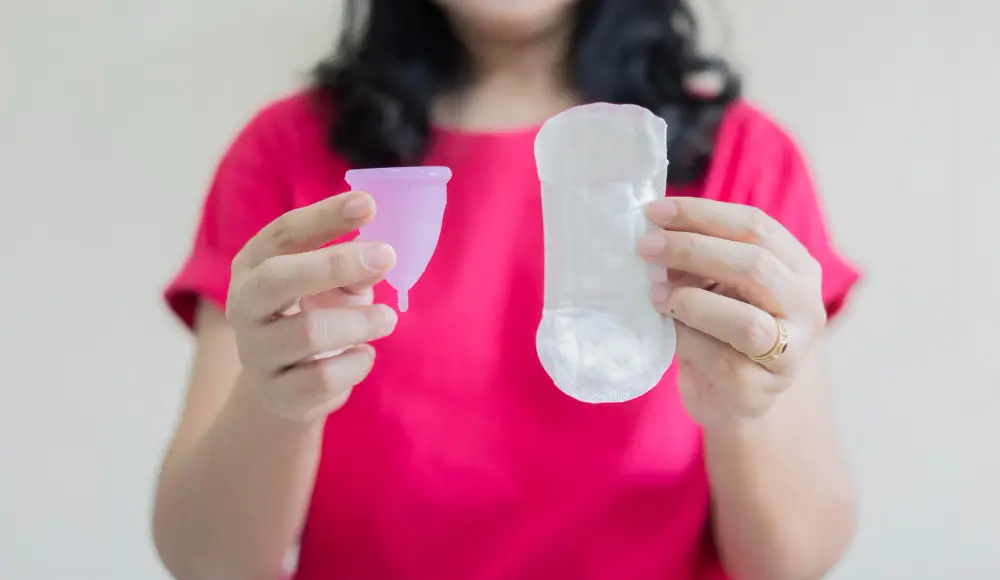
Menstrual Hygiene in Schools and Workplaces: A Doctor’s View
The Silence Around a Natural Process
Menstrual hygiene in schools and workplaces is still not spoken about as openly as it should be. For many girls and women, periods are managed quietly often with discomfort, hesitation, and lack of support.
As a doctor, I’ve seen how this silence affects not just physical health, but confidence, education, and productivity. Menstrual hygiene is not only about sanitary products it’s about awareness, access, and dignity.
A Doctor’s Experience: What I See Every Day
In my practice, young girls often share how they miss school during their periods because of pain, embarrassment, or lack of proper facilities. Working women, on the other hand, tend to “adjust” silently even when they are uncomfortable.
This is where the problem lies. When menstrual hygiene is ignored, it doesn’t just affect comfort; it can lead to real health issues.
Symptoms of Poor Menstrual Hygiene
Many women are unaware that improper hygiene during their periods can cause noticeable symptoms. Watch out for:
- Itching or irritation in the vaginal area
- Foul or unusual odor
- Skin rashes or redness
- Recurrent infections
- Discomfort or uneasiness throughout the day
Ignoring these signs can worsen the condition over time and may require medical attention.
Challenges in Schools
For school-going girls, menstruation can be overwhelming, especially when:
- Clean and private washrooms are not available
- Sanitary products are not easily accessible
- There is little or no menstrual education
- Periods are treated as something “shameful”
This often leads to absenteeism, poor hygiene practices, and low self-confidence.
Challenges in Workplaces
In workplaces, the challenges are less visible but equally real:
- Long working hours without breaks
- Lack of proper sanitation facilities
- No access to emergency sanitary products
- Hesitation to speak openly about period needs
Many women continue working through discomfort, which can affect both health and productivity.
What to Do: Simple Menstrual Hygiene Practices
Maintaining good menstrual hygiene is essential and manageable with simple steps:
- Change sanitary pads or tampons every 4–6 hours
- Always wash hands before and after changing
- Use clean and breathable undergarments
- Dispose of used products safely
- Stay hydrated and eat a balanced diet
- Keep extra sanitary products handy
These small habits can prevent infections and improve comfort significantly.
Before and After Precautions
Before Your Periods:
- Track your menstrual cycle
- Keep sanitary products ready
- Maintain a healthy diet and hydration
- Be mentally prepared, especially for young girls
During & After Periods:
- Maintain proper hygiene throughout
- Avoid using damp or unclean products
- Clean the intimate area regularly (without harsh products)
Monitor any unusual symptoms
When to See a Doctor
It’s important to seek medical advice if you notice:
- Severe abdominal pain or cramps
- Very heavy bleeding
- Irregular or missed periods
- Persistent itching or unusual discharge
- Recurrent infections
Early consultation can prevent complications and ensure better menstrual health.
Breaking the Stigma: A Shared Responsibility
One of the biggest barriers to proper menstrual hygiene is stigma. When periods are treated as something to hide, women suffer in silence.
Schools and workplaces must:
- Promote menstrual awareness
- Provide proper sanitation facilities
- Encourage open conversations
Men, too, play an important role. Awareness should not be limited to women alone—it’s a shared responsibility.
Frequently Asked Questions (FAQs)
You should change your sanitary pad every 4–6 hours to maintain hygiene and prevent infections.
Yes, improper hygiene can lead to bacterial growth, causing itching, rashes, and reproductive tract infections.
Yes, with proper hygiene and care, it is completely safe to continue daily activities during periods.
Regularly changing products, maintaining cleanliness, staying hydrated, and using safe disposal methods are essential.
You should consult a doctor if you experience severe pain, heavy bleeding, irregular cycles, or persistent discomfort.
Conclusion: Prioritising Health and Dignity
Menstruation is a natural process, not a problem. No girl should miss school, and no woman should feel uncomfortable at work because of poor menstrual hygiene support.
Menstrual hygiene in schools and workplaces is not just about health, it’s about dignity, confidence, and equality.