
High Blood Pressure During Pregnancy: When to Seek Medical Care
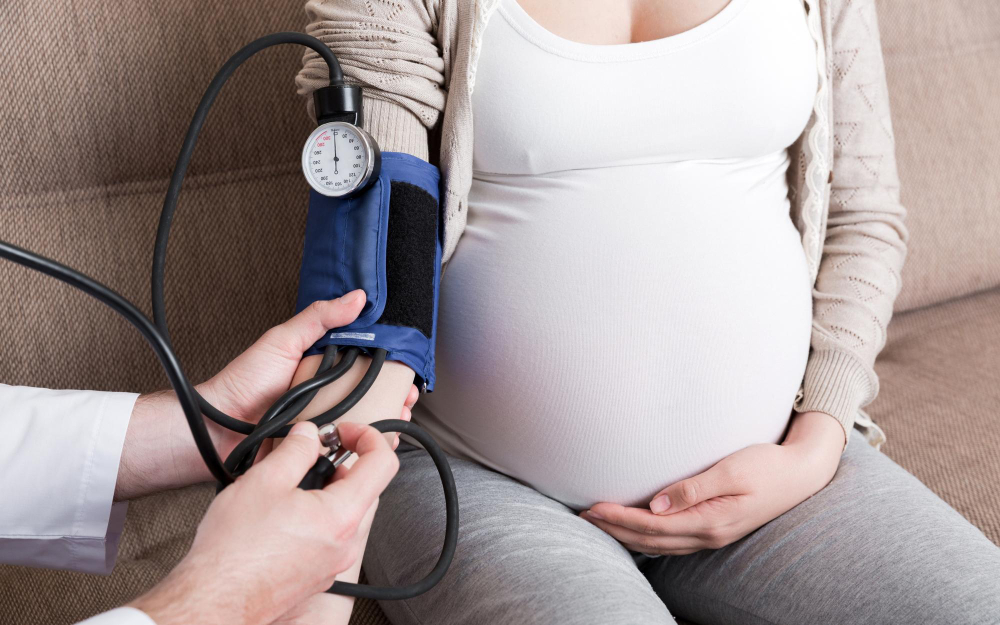
Hearing your blood pressure is a little high during pregnancy can be unsettling. Many women worry about their own health and their baby’s. The reassuring part is that high blood pressure in pregnancy is well recognised, and with regular check-ups it can usually be monitored and managed. What matters most is knowing which changes are routine and which need prompt attention.
What Counts as High Blood Pressure in Pregnancy?
Blood pressure is usually considered raised when readings are 140/90 mmHg or higher on two separate occasions. Doctors group it into a few types, and each is followed up differently.
Type | When It Appears | Key Features |
Chronic hypertension | Before pregnancy or before 20 weeks | Often already known; needs medication review |
Gestational hypertension | After 20 weeks | Raised blood pressure without organ involvement; usually settles after delivery |
Preeclampsia | After 20 weeks, sometimes after delivery | Raised blood pressure with protein in urine or effects on other organs |
Chronic hypertension with preeclampsia | Any time in pregnancy | Existing hypertension that worsens with preeclampsia features |
Your gynecologist will decide which type applies to you after examination and tests.
Why Does Blood Pressure Rise During Pregnancy?
The exact cause is not always clear. The placenta, blood vessels, and hormonal changes all play a role. Some factors raise the likelihood:
- First pregnancy
- Twin or multiple pregnancy
- Age above 35
- Existing hypertension, diabetes, or kidney conditions
- Family history of preeclampsia
- Obesity
Having a risk factor does not mean you will develop high blood pressure. It simply means your doctor may recommend closer monitoring to identify any changes early and guide appropriate care during pregnancy.
Symptoms You Should Not Ignore
Mild high blood pressure often causes no symptoms, which is why routine antenatal visits matter. Some changes need medical attention without delay:
- Severe or persistent headache
- Blurred vision, flashing lights, or spots
- Pain in the upper abdomen, especially on the right side
- Sudden swelling of the face, hands, or feet
- Shortness of breath
- Reduced baby movements
- Nausea or vomiting that begins suddenly in later pregnancy
Swelling in the feet is common in pregnancy and is not always a concern. Sudden or rapidly increasing swelling, especially with other symptoms, is different.
When to Seek Medical Care
Contact your doctor promptly if your home readings are repeatedly 140/90 mmHg or higher, or if you notice any symptom listed above. If your reading is 160/110 mmHg or above, or you have a severe headache, visual changes, chest pain, or a seizure, go to the nearest emergency department immediately.
Do not wait for your next scheduled appointment, and do not start or stop any medicine on your own. Asking early is not overreacting. It is part of looking after yourself and your baby.
How Is It Evaluated?
A doctor may recommend the following, depending on your situation:
- Repeated blood pressure measurements
- Urine tests for protein
- Blood tests for liver, kidney, and platelet function
- Ultrasound to check the baby’s growth and fluid levels
- Fetal monitoring to review the baby’s well-being
These tests help your doctor understand how your body and your baby are doing and plan follow-up.
Treatment and Monitoring Options
The approach depends on how high the pressure is, how far along you are, and whether other organs are affected. Care may include:
- Regular antenatal visits and home blood pressure monitoring
- Blood pressure medicines that are considered suitable during pregnancy
- Rest and lifestyle guidance as advised by your doctor
- Preventive medication in selected high-risk women, only if your doctor prescribes it
- Hospital observation if readings are high or symptoms appear
Each treatment plan is individual. Some women need only close monitoring, while others may require more intensive care. Planning high-risk pregnancy treatment with an experienced gynecology team helps ensure your pregnancy is monitored at appropriate intervals.
Delivery and After the Baby Arrives
The timing and mode of delivery depend on your blood pressure, gestational age, and your baby’s condition. Sometimes labour can proceed normally, and sometimes earlier delivery is advised for safety. Your doctor will explain the reasons clearly.
Blood pressure can rise or stay high after delivery, sometimes for several weeks. Keep checking it, attend postnatal visits, and report headaches, vision changes, or breathlessness promptly.
Everyday Habits That Support Healthy Pregnancy
- Attend every antenatal appointment, even when you feel well
- Eat a balanced diet with fresh fruits and vegetables, and limit very salty foods
- Stay hydrated
- Walk or exercise gently if your doctor approves
- Take prescribed supplements and medicines as directed
- Keep track of your baby’s movements in later pregnancy
These habits support general well-being but do not replace medical care.
Why Early Care Matters
When high blood pressure is identified early, your doctor has more time to plan appropriate monitoring and treatment. Starting high-risk pregnancy treatment early can help identify changes sooner and support timely medical decisions.
Conclusion
High blood pressure during pregnancy does not always lead to complications, but it requires careful monitoring and appropriate medical care. Regular antenatal check-ups help track blood pressure, assess the health of the mother and baby, and identify changes that may need further attention.
The most important step is understanding your condition and following your doctor’s advice on monitoring and treatment. With timely evaluation and appropriate care, potential risks can be identified and managed more effectively.
For appointments or further information, visit Book an Appointment.
Frequently Asked Questions
Not always. Mild cases are often managed with monitoring. It still needs medical follow-up because it can progress.
Gestational hypertension usually settles after delivery. Blood pressure should still be checked in the weeks afterwards.
A reading of 160/110 mmHg or above, especially with headache or vision changes, needs urgent care.
No. Some medicines are not suitable in pregnancy. Take only what your doctor prescribes.
Your doctor will advise the frequency based on your condition. Keep a written record to share at visits.
Understand Your Pregnancy Care Needs
If you have concerns about high blood pressure during pregnancy, understanding the appropriate monitoring and care starts with a proper evaluation by a qualified medical professional.
Name:
Saukhyam Hospital
Address:
Entry from main, Mamta Maternity and Nursing Home 1st floor, Sai Sheetal Apartment, Swami Vivekanand Rd, above Aastha Life Care Hospital, Borivali East, Mumbai, Maharashtra 400066
Phone:
+91 86574 33631
Website:
www.saukhyamhospital.com