
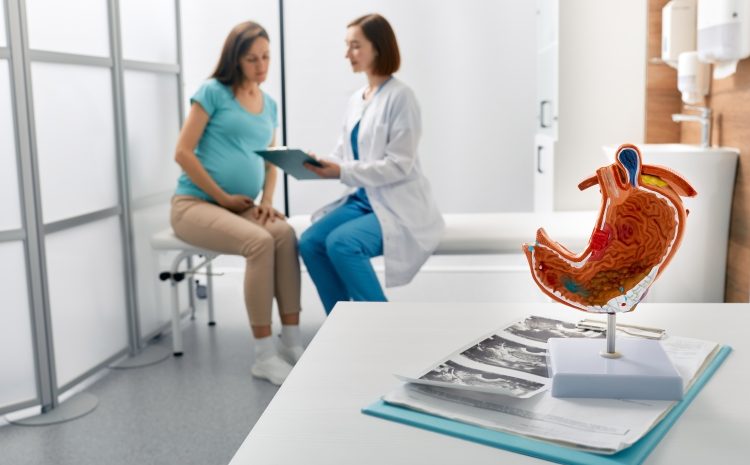
Can Childbirth Change Your Intimate Health? When Vaginoplasty May Help
Welcoming a baby into the world is a beautiful and life-changing experience. However, while most conversations after childbirth revolve around caring for the newborn, many women silently experience changes in their own bodies especially their intimate health. Vaginal looseness, reduced sensation during intimacy, urinary leakage, and pelvic discomfort are concerns that many women face after vaginal delivery, yet they often hesitate to talk about them.
Although these changes are common, they shouldn’t be ignored if they continue to affect your comfort, confidence, or quality of life. Every woman’s body heals differently after childbirth. While many recover naturally with time, others may require pelvic floor rehabilitation or specialised treatment. Understanding these postpartum changes can help you recognise when it’s time to seek medical advice and explore treatment options such as vaginoplasty.
Quick Answer: Can Childbirth Change Your Intimate Health Permanently?
Yes, it can. Pregnancy and vaginal childbirth stretch the vaginal tissues and pelvic floor muscles, which support the bladder, uterus, and bowel. Most women experience gradual recovery over the following months, but factors like prolonged labour, multiple deliveries, ageing, and hormonal changes can lead to long lasting symptoms. If these concerns persist, an evaluation by a gynaecologist can help determine whether conservative treatments or procedures like vaginoplasty may be beneficial.
Key Takeaways
- Childbirth can temporarily or permanently affect intimate health.
- Most women recover naturally during postpartum healing.
- Pelvic floor exercises are often the first line of treatment.
- Vaginoplasty is recommended only for selected women after proper evaluation.
- Early consultation can help identify the most suitable treatment option.
How Does Childbirth Affect Intimate Health?
During a vaginal delivery, the pelvic floor muscles and vaginal tissues stretch significantly to allow the baby to pass through the birth canal. These muscles usually regain strength over time, but recovery isn’t the same for everyone.
Women who experience prolonged labour, deliver larger babies, have multiple vaginal births, or undergo an episiotomy may notice changes that last longer than expected. Hormonal changes during breastfeeding can also contribute to vaginal dryness and discomfort.
Regular postpartum follow-ups through Maternity Care can help monitor your recovery and identify concerns before they begin affecting your daily life.
What Changes Are Common After Childbirth?
Some physical changes improve naturally within a few months, while others may persist and require medical attention.
You may notice:
- A feeling of vaginal looseness
- Reduced sensation during intimacy
- Mild urinary leakage while coughing, laughing, or exercising
- Vaginal dryness, particularly during breastfeeding
- Pelvic heaviness or pressure
- Reduced confidence in intimate relationships
Experiencing one or more of these symptoms doesn’t necessarily mean something is wrong. However, if they continue beyond your postpartum recovery or begin interfering with your daily routine, it’s worth discussing them with a gynaecologist.
When Should You Consult a Gynaecologist?
Many women assume these symptoms are simply part of becoming a mother, but persistent discomfort shouldn’t be ignored. Seeking medical advice early can help identify whether your symptoms are related to pelvic floor weakness, hormonal changes, or other gynaecological conditions.
You should consider a consultation if:
- Symptoms persist for several months after delivery.
- Pelvic floor exercises don’t improve your condition.
- Urinary leakage becomes frequent.
- Vaginal laxity affects your confidence or intimate life.
- You experience ongoing pelvic discomfort or pressure.
Early diagnosis often leads to more effective treatment and may prevent symptoms from worsening over time.
Can These Symptoms Improve Without Surgery?
Yes. In many cases, surgery is not the first treatment option.
Depending on your symptoms and overall health, your gynaecologist may recommend:
- Pelvic floor (Kegel) exercises
- Pelvic floor physiotherapy
- Lifestyle and weight management
- Hormonal treatment when appropriate
- Regular follow up to monitor recovery
Many women notice significant improvement with these conservative treatments alone. Every treatment plan should be tailored to your individual recovery and health goals.
What Is Vaginoplasty?
Vaginoplasty is a surgical procedure that repairs and tightens the vaginal muscles and surrounding tissues that may have stretched during childbirth or due to ageing. Contrary to popular belief, it is not purely a cosmetic procedure. For many women, vaginoplasty is performed to improve vaginal support, restore muscle tone, and enhance comfort and confidence.
Before recommending surgery, a gynaecologist will carefully assess your symptoms, childbirth history, overall health, and future pregnancy plans. Surgery is generally considered only when non-surgical treatments have not provided adequate relief.
Should You Consider Vaginoplasty at Saukhyam Hospital?
Choosing to undergo vaginoplasty is a personal decision and should always be based on your symptoms, lifestyle, and future family planning goals. At Saukhyam Hospital, our experienced gynaecologists believe in a personalised approach to women’s healthcare. Rather than recommending surgery immediately, we begin with a detailed evaluation to understand the cause of your symptoms and discuss all available treatment options.
Whenever possible, conservative treatments such as pelvic floor rehabilitation are recommended first. If surgery is considered the most appropriate solution, our specialists performing Cosmetic Gynaecology and Vaginal Surgeries ensure that every patient receives compassionate guidance, clear information, and personalised care throughout the treatment journey.
Whether your concern is related to postpartum recovery or long-term intimate health, our goal is to help you regain comfort, confidence, and a better quality of life.
You're Not Alone
Many women feel embarrassed discussing intimate health concerns after childbirth, believing they simply have to live with these changes. The truth is that seeking help isn’t about appearance it’s about your health, comfort, and confidence.
Every woman’s recovery is different, and there is no shame in asking questions or exploring treatment options. Speaking openly with your gynaecologist can help you understand what’s normal, what’s treatable, and what steps you can take to feel like yourself again.
Frequently Asked Questions
Yes. Mild vaginal laxity is common after vaginal delivery and often improves naturally during postpartum recovery. Persistent symptoms should be evaluated by a gynaecologist.
No. Most women recover without surgery. Vaginoplasty is recommended only when symptoms continue despite non-surgical treatments and significantly affect quality of life.
Yes. Pelvic floor exercises can strengthen the muscles, improve bladder control, and reduce mild symptoms for many women.
If symptoms such as urinary leakage, pelvic pressure, discomfort, or vaginal laxity persist for several months after childbirth, it’s advisable to seek medical advice.
Future pregnancy plans should always be discussed with your gynaecologist. In many cases, women are advised to consider vaginoplasty after completing their family, as another vaginal delivery may affect the results of the procedure.
Conclusion
Childbirth is an incredible journey, but it can also bring lasting changes to a woman’s intimate health. While many symptoms improve naturally over time, persistent vaginal laxity, urinary leakage, or pelvic discomfort shouldn’t be ignored. Early evaluation can help determine whether simple lifestyle changes, pelvic floor therapy, or advanced treatments like vaginoplasty are appropriate for your needs.
With expert guidance and personalised care, you can make informed decisions about your health and enjoy motherhood without compromising your comfort or confidence.
Your Comfort Matters
If intimate health concerns after childbirth are affecting your daily life, don’t hesitate to seek professional advice. The experienced team at Saukhyam Hospital is here to help you understand your symptoms and recommend the treatment that’s right for you.
Name:
Saukhyam Hospital
Address:
Entry from main, Mamta Maternity and Nursing Home 1st floor, Sai Sheetal Apartment, Swami Vivekanand Rd, above Aastha Life Care Hospital, Borivali East, Mumbai, Maharashtra 400066
Phone:
+91 86574 33631
Website:
www.saukhyamhospital.com