
I Have an Ovarian Cyst: Do I Need Surgery or Can I Wait?
Being told that you have an ovarian cyst can feel alarming, especially if it was discovered unexpectedly during a routine ultrasound or gynecological examination. One of the first questions most women ask is, “Do I need surgery?“ The answer is not always straightforward. While some ovarian cysts require treatment, many are harmless, cause no symptoms, and disappear on their own without any intervention.
The key is understanding the type of cyst you have, whether it is causing symptoms, and whether it shows any signs of complications. Knowing when an ovarian cyst can be safely monitored and when treatment is necessary can help you make informed decisions about your health and avoid unnecessary anxiety.
What Exactly Is an Ovarian Cyst?
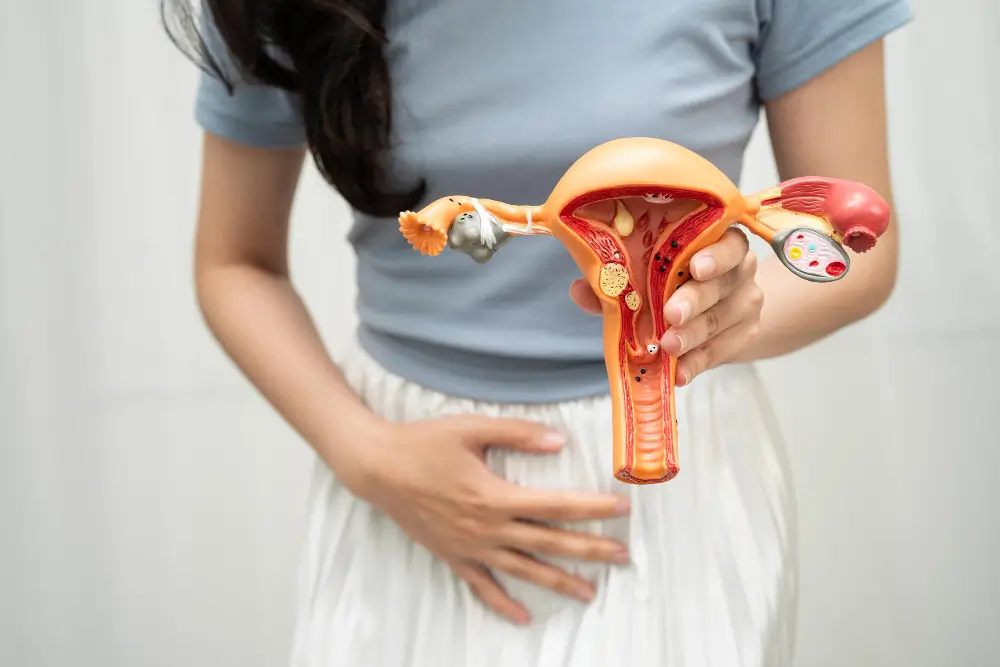
An ovarian cyst is a fluid filled sac that develops on or inside the ovary. Ovarian cysts are extremely common, particularly during the reproductive years. In fact, many women develop small cysts as part of their normal menstrual cycle without ever knowing they are there.
Most ovarian cysts are benign and often disappear naturally within a few weeks or months. They are frequently discovered during ultrasounds performed for irregular periods, pelvic pain, fertility evaluations, or routine gynecological check ups.
While the word “cyst” may sound concerning, the majority of ovarian cysts are not cancerous and do not cause long-term health problems.
Can an Ovarian Cyst Go Away on Its Own?
In many cases, yes.
Functional ovarian cysts, which are the most common type, often develop as part of the normal ovulation process. These cysts typically resolve on their own without treatment. Because of this, doctors often recommend a “watch and wait” approach rather than immediate surgery.
If the cyst is small, appears simple on ultrasound, and is not causing symptoms, your gynecologist may suggest periodic follow-up scans to monitor its size and appearance. This approach allows many women to avoid unnecessary procedures while ensuring the cyst is being safely observed.
For many patients, the best treatment is simply time and regular monitoring.
What Symptoms Can an Ovarian Cyst Cause?
Many ovarian cysts cause no symptoms at all. However, when a cyst becomes larger or persists over time, it may start causing discomfort.
Some women experience a dull ache or pressure in the lower abdomen, while others notice bloating, pelvic heaviness, or discomfort during certain activities. Changes in menstrual patterns can also occur in some cases.
Symptoms That May Be Associated With an Ovarian Cyst:
- Pelvic pain or pressure
- Lower abdominal discomfort
- Bloating
- Pain during intercourse
- Irregular menstrual cycles
- Feeling full quickly after eating
- Frequent urination
A Gentle Reminder
Many women dismiss these symptoms, assuming they are simply part of normal hormonal changes or menstrual discomfort. If you find yourself repeatedly experiencing pelvic pain, bloating, or changes in your cycle, it is worth discussing these concerns with a gynecologist. Seeking answers is not overreacting—it’s taking care of your health.
When Might an Ovarian Cyst Need Treatment?
Not every ovarian cyst requires treatment, but some situations deserve closer attention.
Doctors consider several factors before recommending surgery, including the cyst’s size, appearance, growth pattern, your age, symptoms, and future pregnancy plans. A small cyst in a young woman may be managed very differently from a large or complex cyst in someone approaching menopause.
The goal is to treat only when necessary while avoiding unnecessary procedures.
Situations Where Surgery May Be Recommended
A Large Ovarian Cyst
Larger cysts are less likely to disappear on their own and may increase the risk of complications. Depending on the size and ultrasound findings, your doctor may recommend removal.
Persistent or Worsening Symptoms
If pelvic pain, pressure, or bloating continues despite observation, treatment may become necessary to improve comfort and quality of life.
Growth Over Time
A cyst that continues to increase in size during follow-up evaluations may require further investigation and possible removal.
Complex Ultrasound Findings
Some cysts have features that require additional assessment. In these cases, surgery may be recommended to obtain a clear diagnosis and prevent future complications.
Could My Ovarian Cyst Be Related to Another Condition?
Sometimes ovarian cysts are linked to underlying gynecological conditions rather than occurring on their own.
Endometriosis
Women with endometriosis can develop ovarian cysts known as endometriomas. These cysts may be associated with severe period pain, pelvic discomfort, and fertility concerns.
PCOS
Women diagnosed with PCOS (Polycystic Ovary Syndrome) may have multiple small follicles within the ovaries due to hormonal imbalance. Along with ovarian changes, PCOS can cause irregular periods, acne, weight gain, and difficulty conceiving.
Can an Ovarian Cyst Affect Fertility?
Most ovarian cysts do not affect fertility and many women with ovarian cysts go on to have healthy pregnancies.
However, certain conditions associated with ovarian cysts—particularly endometriosis and PCOS—can influence reproductive health. If you are planning a pregnancy or experiencing difficulty conceiving, discussing fertility concerns early can help identify any underlying issues.
What Happens If Surgery Is Required?
The thought of surgery can be stressful, but advances in gynecological care have made treatment safer and less invasive than ever before.
When surgery is necessary, many ovarian cysts can be removed through laparoscopic surgery. This minimally invasive approach uses small incisions and specialized instruments, allowing faster recovery and less discomfort compared to traditional open surgery.
Women who undergo laparoscopic procedures often experience shorter hospital stays, quicker return to daily activities, and minimal scarring.
When Should You See a Gynecologist?
While many ovarian cysts are harmless, certain symptoms should prompt medical evaluation. Persistent pelvic pain, increasing abdominal bloating, irregular periods, or symptoms that interfere with your daily life should never be ignored.
Similarly, if an ovarian cyst has already been identified on ultrasound, regular follow-up is important to ensure it remains stable and does not develop complications.
Early evaluation provides reassurance and helps ensure that any necessary treatment is started at the right time.
Conclusion
Discovering that you have an ovarian cyst does not automatically mean you need surgery. In fact, many ovarian cysts resolve naturally and can be safely monitored with regular follow-up. However, larger cysts, persistent symptoms, or concerning ultrasound findings may require treatment to prevent complications and improve quality of life.
The most important step is understanding your specific diagnosis and maintaining open communication with your gynecologist. With proper evaluation and care, most ovarian cysts can be managed effectively and confidently.
Frequently Asked Questions
No. Many ovarian cysts are harmless and disappear on their own without any treatment.
The duration depends on the cyst’s size, type, and ultrasound findings. Your gynecologist will recommend an appropriate follow-up schedule
Most ovarian cysts are benign. However, some cysts may require further evaluation, especially in postmenopausal women.
Most ovarian cysts do not affect fertility, but conditions such as endometriosis and PCOS may impact reproductive health.
Sudden severe pelvic pain, nausea, vomiting, or intense abdominal pain should be evaluated immediately, as they may indicate a complication such as ovarian torsion.
Find Clarity Early
If you’ve been diagnosed with an ovarian cyst, understanding whether it needs monitoring or treatment starts with the right gynecological evaluation.
Name:
Saukhyam Hospital
Address:
Entry from main, Mamta Maternity and Nursing Home 1st floor, Sai Sheetal Apartment, Swami Vivekanand Rd, above Aastha Life Care Hospital, Borivali East, Mumbai, Maharashtra 400066
Phone:
+91 86574 33631
Website:
www.saukhyamhospital.com